


Larch Tree Spring Care Checklist: Needle Flush, Mulching and Pest Checks
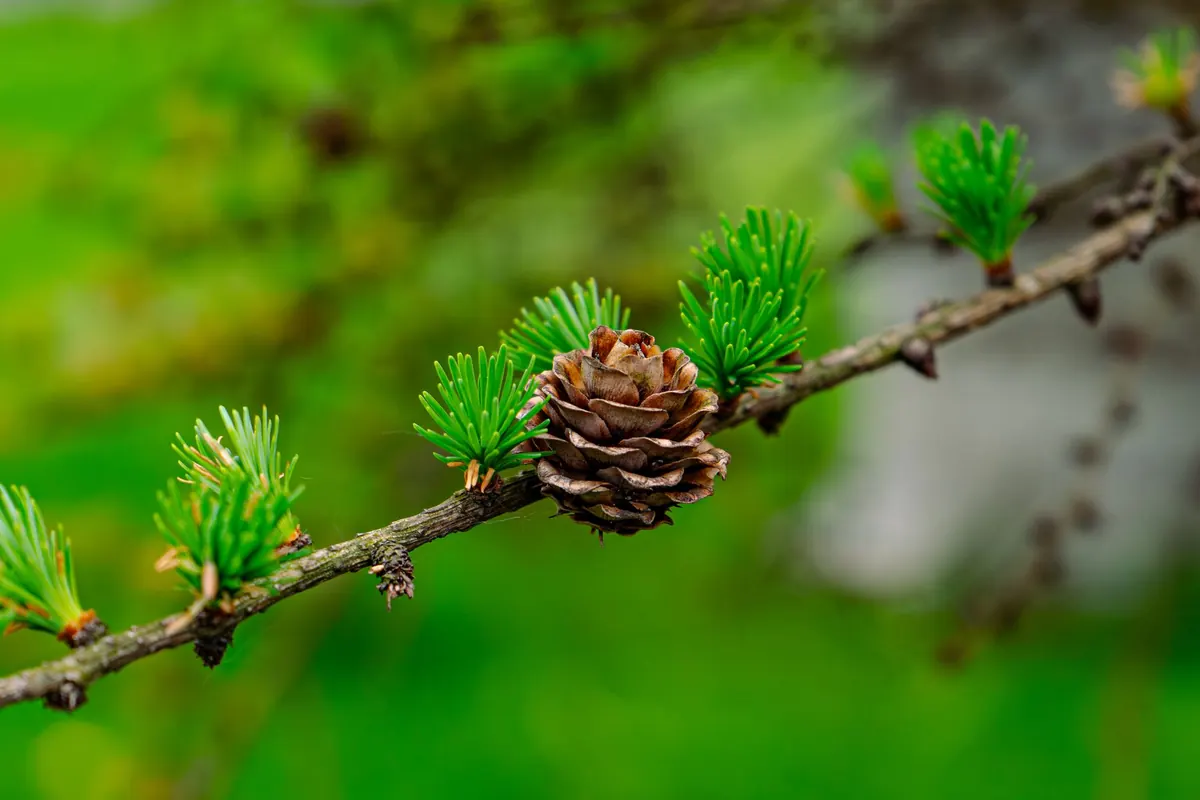
Larch keeps its own calendar. While most conifers quietly hold their needles through winter, larch strips bare and waits — then flushes an entirely new set of needles in spring, soft and bright and impossibly fresh. That flush is the whole year's engine, so everything you do between late March and early June matters more than the rest of the season put together.
What follows is a working spring checklist for garden larches, shelterbelts and young plantings. None of it is complicated. Most of it takes minutes. All of it is easier done now than fixed later.
Read the Tree Before You Reach for the Tools
Timing varies with species and location. European larch usually flushes first, Japanese larch follows, and the Dunkeld hybrid tends to sit between the two. In a cold northern spring you may not see green until mid-May, and that is normal. What matters is the pattern, not the date.
Walk round each tree and look for three things. First, evenness: needles should appear all round the crown, not crowded on one side. Second, colour: fresh growth should be a clear, lively green — a soft blue-green on Japanese larch. Third, the leader, that single top shoot carrying the tree upward. It should be straight, firm and clean. Resin bleeding, sunken patches of bark or a blackened tip on the leader warrant a closer look, as these can point to canker or mechanical damage rather than anything you did wrong.
Watering Young Larch Properly
Established larches in most of the UK need very little from you. A tree in its first two or three growing seasons is a different matter. Its roots are still shallow and haven't spread into the surrounding soil, so a dry fortnight in May can set it back badly.
Give young trees a slow, deep soak rather than a daily sprinkle — roughly a couple of watering cans per tree per week in dry weather, poured onto the soil, not the needles. Water in the morning so any splash on the foliage dries during the day. Before you water, push a finger about 10cm into the soil beside the trunk. Cool and slightly damp means leave it alone; dry and dusty means water.
Do watch the opposite problem too. Larch dislikes sitting in water. If the ground stays boggy, or needles droop and yellow despite damp soil, the roots are suffocating. Improving drainage with grit and organic matter around the root zone does more good than another can of water.
Mulching: Depth, Timing and the Trunk Gap
Spring mulching is the single most useful job for a young larch. It holds moisture, smothers grass and keeps soil temperatures steadier through the frosty nights that can still arrive in April.
- Water the tree well first; mulch onto damp soil, never onto dry ground or frozen ground.
- Clear weeds and grass in a ring at least 60cm out from the trunk for a young tree.
- Spread 5–8cm of well-rotted bark, leaf mould or composted woodchip.
- Leave a clear gap of 5–8cm between the mulch and the trunk.
- Top up later in spring if it settles, but never build it into a mound against the bark.
Fresh manure, damp grass clippings and unrotted sawdust are poor choices — they either burn roots, mat down and repel water, or strip nitrogen as they break down. Keep the ring weed-free through summer, because grass competition slows young larches more than most gardeners expect.
Mulch is a blanket for the soil, not a collar for the trunk. Anything touching bark holds moisture there, and damp bark is where trouble starts.
Checking New Needles for Pests and Disease
Soft new growth is the most nutritious thing on the tree, and insects know it. From the flush until midsummer, check the shoot tips and the undersides of needles about once a week. Tap a low branch over a sheet of white paper — a few fine insects and specks of honeydew will show up quickly.
- Sticky honeydew, sooty black film, curled needles: aphids and adelgids. A strong jet of water knocks them back, and horticultural soap works on stubborn colonies.
- Small brown cases clinging to needles, mined and browning tips: larch casebearer. Pick off affected shoots and clear fallen debris beneath the tree.
- Caterpillar-like larvae stripping needles from the tips inward: larch sawfly. Hand-picking is effective on small trees; check fortnightly because the damage appears fast.
- Fine webbing and pale, speckled needles in hot dry spells: spider mites. Misting the foliage in dry weather helps.
- White woolly patches, poor growth, nearby spruce affected too: adelgids that move between larch and spruce. Keeping the two apart in a garden planting reduces repeat trouble.
- Sunken bark, resin, dieback, orange-brown discs on dead wood: possible larch canker. Prune affected shoots well below the damaged area with clean secateurs in dry weather and dispose of the prunings.
Whatever you find, avoid broad-spectrum insecticides. They kill the ladybirds, hoverflies and birds doing the real work, and the pests usually return before their predators do.
Protecting Tender Growth from Late Frost
Larch flushes early, which is a gamble in a British spring. A sharp frost in late April can blacken the whole new crop of needles on an exposed tree, and although most larches recover by sending out a second, weaker flush, the tree loses a season's growth.
On nights when a frost is forecast, wrap young trees loosely in horticultural fleece and take it off the following morning so the foliage doesn't overheat. A hessian screen on the windward side does the same job for larger specimens you can't wrap. Watering the soil the day before helps, as damp ground releases heat overnight more kindly than dry ground.
Hold off on nitrogen-rich feeding in early spring. It pushes soft, sappy growth that frost damages first. If tips do blacken, resist cutting them immediately — wait until late May or June, when you can see exactly where the dieback ends and the tree can reflush from buds below the damage.
Ties, Weeds and the Small Jobs That Compound
Check tree ties on staked larches. A tie that was snug last spring may now be pinching the trunk; loosen it to a finger's width of movement. Stakes on small garden trees can generally come out after two or three years, once the roots have anchored properly. Rabbit and deer guards, if you use them, need lifting as the tree grows so they don't rub.
Then a quick weed of the mulch ring, a look at the drainage around the base, and you're done. Fifteen minutes of tidying in May saves an hour of remedial work in July.
A Twenty-Minute Spring Walk-Round
Take a notebook, a pair of secateurs and a watering can. Start at the top of the tree and work down: leader, side branches, needle colour, undersides of shoots, then the base of the trunk and the soil around it. Note anything odd with the date beside it, because a photograph and a note in April make a much easier diagnosis in June.
Water what needs water. Mulch what needs mulch. Deal with the small problems while they are still small. Larch rewards that kind of attention, and by midsummer you will have a tree carrying a full, soft, healthy set of needles — all of them grown this year, and all of them yours to look after next spring as well.
Photo: Alla Dokova / Pexels