Is Larch Good Firewood? Seasoning, Storing and Burning UK Larch Logs
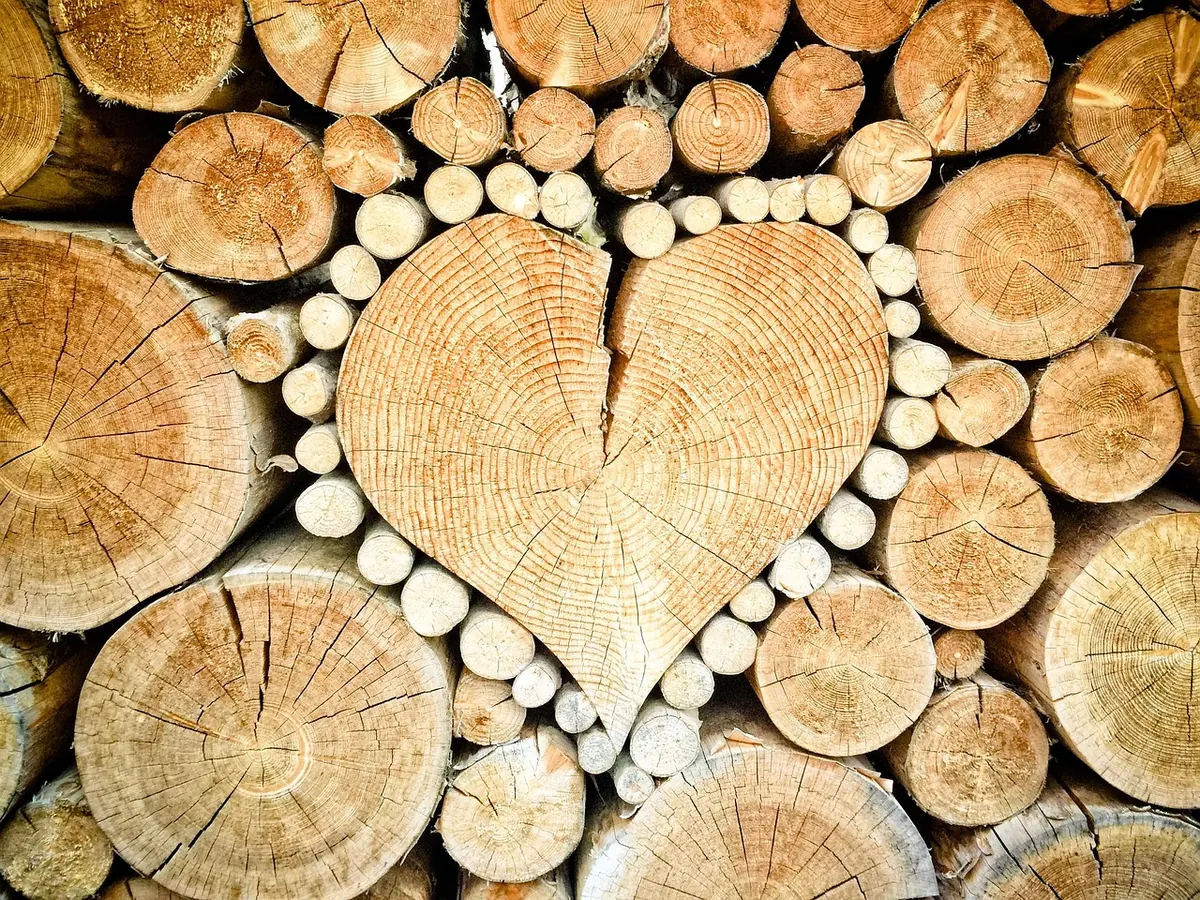
Larch has a habit of arriving unannounced. A shelterbelt comes down, a storm takes the top off a plantation edge, or a tree surgeon leaves a trailer-load of pale rounds on your drive — and suddenly you have a serious amount of timber to deal with. The question that follows is always the same: is larch actually any good on the fire? Short answer: yes, and better than many people assume. It just needs handling with a bit of thought.
What larch brings to the woodpile
Larch is a conifer, but it behaves more like a hardwood than its relatives do. It is noticeably denser than pine or spruce, so a given volume of larch holds more heat than the same volume of softwood. Per kilogram, dry wood of any species releases broadly similar energy; per log, larch punches above its weight.
It also has a high resin content, which cuts both ways. On the plus side, larch lights easily and burns with a bright, lively flame and a pleasant, slightly sharp smell — the kind of fire that makes an open hearth worth having. On the minus side, that same resin produces more tar and creosote if the wood goes in damp or the flue runs cool, and it means larch spits. Sparks are part of the deal.
How long does larch take to season?
Longer than most softwoods, shorter than oak. Split larch left in a dry, airy stack is usually ready somewhere between nine and twelve months — split it in spring and it should be fit to burn the following winter. Thin splits, stacked loosely through a warm dry summer, can be below 20 per cent moisture in six months. Leave it in the round and you are looking at two or three years, during which the bark holds moisture against the wood and the logs start to go punky.
The single most important thing you can do is split it early. Larch roundwood dries painfully slowly because the resin and dense grain resist the movement of water. Get it down to splits of 8–10 cm across and you halve the drying time.
Signs your larch is ready to burn
- The splits feel noticeably lighter than when you stacked them.
- The bark is loose and comes away in plates.
- The end grain shows radial cracks and a grey, sun-bleached look.
- A freshly split face reads under 20 per cent on a moisture meter, ideally nearer 15.
- Two pieces knocked together ring rather than thud.
Always test on a freshly split face, not the weathered end grain — the outside of a log can read dry while the middle is still soaking.
Splitting and stacking larch
Straight, knot-free larch splits sweetly with an axe — often more easily than ash, which surprises people. The trouble is knots. Where a branch once grew, the grain twists in every direction and the axe bounces back at you. Work around the outside of the log and save the stubborn, knotty heart for wedges, a hydraulic splitter, or the stove, where it will burn happily once dry.
Resin makes everything sticky. Expect to clean the saw, the axe handle and your hands more often than usual. Stack in a single row where you can, with the cut ends facing the prevailing wind, and leave gaps between logs rather than pressing them tight.
Storing larch logs
Larch is more forgiving than it looks, but it does not want to sit on wet ground. A simple routine works well:
- Raise the stack on pallets, bearers or a purpose-made log store base.
- Keep the sides open to the wind and cover only the top — a sheet, a roof or a tarpaulin pulled over the crown.
- Move the whole stack under a roof or into a shed by early autumn, so it goes into winter dry.
- Never stack against a house wall or on damp concrete; both trap moisture and invite mould.
- Keep a small "ready" crate in a porch or shed, enough for a few days. Don't bring a week's worth indoors, where central heating dries it too fast and makes it spit even more.
Burning larch in a stove or open fire
In a closed stove, well-seasoned larch is excellent. It lights fast, gets up to temperature quickly and throws good heat. Load it a little at a time rather than filling the box, keep the air supply open enough for a hot, clean burn, and let the flue warm through properly — a cool flue plus resinous wood is how tar builds up. Larch will not hold a fire overnight the way oak or beech will, so keep a few denser logs back for banking the stove down at bedtime.
On an open fire, always use a spark guard. Larch pops and throws embers more than most woods, and a log rolling forward onto a hearth rug is the sort of thing that happens once and never again. Dry larch twigs, needles and all, make superb kindling — arguably the best use for the brash from a felled tree.
Larch compared with other firewoods
Roughly speaking, larch sits in the middle of the pack.
- Ash, oak, beech, hawthorn: denser, slower-burning, better for overnight heat.
- Larch, Douglas fir: good heat, quick to light, moderate burn time.
- Pine, spruce: lighter and faster-burning than larch, more resinous still.
- Willow, poplar: poorer by volume, best saved for kindling or a mild day.
With a mixed pile, use larch to get the fire going, then add the denser stuff once you have a bed of hot embers.
Safety, smoke and sweeping
Resinous firewood demands a bit more attention to the chimney. Have the flue swept at least once a year, and twice if you burn regularly through the winter — soot and tar from any wood, larch included, are what chimney fires feed on. Burn hot rather than slumbering, and never burn unseasoned wood in the hope it will dry on the fire. It will not.
If you live in a smoke control area, check the rules with your local council before installing or using a stove — you will generally need an exempt appliance or an authorised fuel. In England, wood sold in small volumes must be certified as dried to 20 per cent moisture or less, which is another good reason to buy seasoned or kiln-dried rather than guessing. For anything involving installation or the safety of your chimney, take advice from a qualified sweep or installer.
Getting the best from your larch
Larch is a genuinely useful firewood, not a consolation prize. Split it early, stack it off the ground with air around it, give it the best part of a year, and check it with a meter before it goes on the fire. Burn it hot, keep a spark guard in front of an open fire, and sweep the chimney on schedule. Do that and a larch log will light quickly, burn brightly and leave you wondering why conifers get such a bad name
Photo: TheUjulala / Pixabay